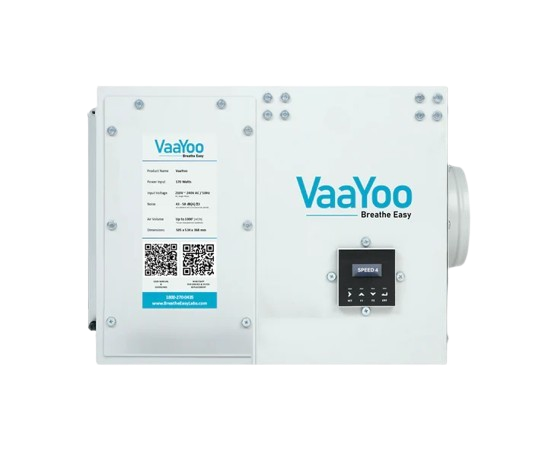

Asthma is becoming a common health problem in many cities due to increasing air pollution, dust, smoke, pollen, and indoor allergens. People living in polluted areas often experience breathing difficulties, coughing, wheezing, chest tightness, and allergy-related problems. Because of this, many families are now searching for ways to improve indoor air quality and create a healthier environment at home.
One common question people ask is: Can an air purifier help with asthma? The answer is yes — a good quality air purifier can help reduce airborne pollutants and improve the air inside your home.
How Air Pollution Affects Asthma
Asthma patients are highly sensitive to polluted air. Airborne pollutants such as household dust, pet hair, smoke particles, pollen, mold allergens, and indoor contaminants may increase asthma-related breathing problems. Even indoor air may contain allergens that affect breathing and sleep quality.
Poor indoor air quality can lead to:
• Frequent coughing
• Difficulty breathing
• Chest congestion
• Sneezing and allergies
• Night-time asthma attacks
This is why maintaining clean indoor air is important for asthma patients.
How Air Purifiers Help Asthma Patients
An air purifier works by filtering harmful airborne particles from the air. Modern air purifiers with HEPA filters can capture very small particles including dust, pollen, smoke, and allergens.
Here are some important ways an air purifier may support people dealing with asthma and breathing sensitivities:
Removes Dust and Allergens
Air purifiers help reduce dust particles, pollen, and pet hair that can trigger asthma symptoms.
Reduces Smoke and Pollution
A purifier can filter smoke particles and harmful pollutants coming from traffic, cooking, or nearby construction areas.
Improves Indoor Air Quality
Clean indoor air helps create a healthier breathing environment for children, adults, and senior citizens.
Better Sleep Quality
Asthma symptoms often become worse at night. Cleaner air may help improve sleep comfort.
Helps During Allergy Season
During seasonal changes, pollen and allergens increase in the air. An air purifier can help minimize exposure.
Which Air Purifier Is Best for Asthma?
When choosing an air purifier for asthma, look for these features:
• HEPA Filter
• Activated Carbon Filter
• Low Noise Operation
• Room Size Compatibility
• High CADR Rating
• Energy Efficient Design
HEPA air purifiers are usually considered the best option for asthma sufferers because they capture tiny airborne particles effectively.
Tips for Better Indoor Air Quality
Along with using an air purifier, you can also:
• Keep windows closed during heavy pollution
• Clean dust regularly
• Avoid smoking indoors
• Use proper ventilation
• Wash bedsheets and curtains frequently
• Control indoor humidity
Final Thoughts
An air purifier cannot completely cure asthma, but it can help reduce triggers that make asthma symptoms worse. Cleaner indoor air may support better breathing, improved comfort, and a healthier lifestyle. Choosing the right HEPA air purifier and maintaining good indoor hygiene can make a noticeable difference for asthma patients.