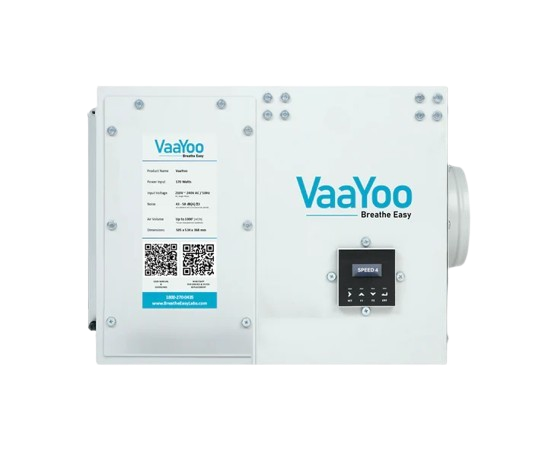

Breathing problems are becoming more common due to rising air pollution, dust particles, smoke, allergens, and poor indoor air quality. Many people experience coughing, throat irritation, sneezing, chest discomfort, and breathing difficulties because of polluted indoor air. This is why many families are now searching for the best air purifier for breathing problems to create a cleaner and healthier home environment.
An air purifier helps remove airborne pollutants and harmful particles from indoor spaces. Modern HEPA air purifiers can capture dust, smoke particles, pollen, pet dander, and microscopic allergens that may affect breathing comfort.
How Poor Indoor Air Quality Affects Breathing
Indoor air may contain invisible airborne contaminants that continue circulating inside homes and offices. Continuous exposure to polluted indoor air may increase breathing discomfort for sensitive individuals.
Common indoor pollutants include:
• Dust particles
• Smoke and fumes
• Pollen allergens
• Pet hair and pet dander
• Mold spores
• Cooking smoke
• Fine airborne particles
Poor indoor air quality may affect overall comfort and make breathing conditions more uncomfortable.
How Air Purifiers Help With Breathing Problems
Air purifiers use advanced filtration systems to clean indoor air and reduce airborne contaminants.
Removes Dust and Allergens
HEPA filters help capture tiny dust particles and allergens from indoor air.
Helps Reduce Smoke Pollution
Smoke from traffic, cigarettes, and cooking can negatively affect breathing comfort. Air purifiers help reduce smoke particles indoors.
Supports Cleaner Breathing Air
Cleaner indoor air may help improve comfort for people sensitive to pollution and allergens.
Helps Improve Bedroom Air Quality
Using an air purifier in bedrooms may help maintain fresher nighttime air.
Reduces Indoor Pollutants
Air purifiers help reduce airborne contaminants that may affect indoor air quality.
Best Features to Look for in an Air Purifier for Breathing Problems
When choosing an air purifier, consider these important features:
• True HEPA Filter
• Activated Carbon Filter
• High CADR Rating
• Quiet Operation
• Energy Efficient Design
• Large Room Coverage
• Multi-Stage Filtration
HEPA filtration is especially useful because it captures microscopic airborne particles effectively.
Additional Tips for Better Indoor Air Quality
Along with using an air purifier, you can also:
• Keep rooms clean and dust-free
• Maintain proper ventilation
• Avoid indoor smoking
• Clean bedsheets and curtains regularly
• Reduce indoor moisture
• Keep windows closed during heavy pollution
Use exhaust fans while cooking
Final Thoughts
An air purifier can be a helpful solution for people dealing with breathing discomfort caused by indoor pollution, dust, smoke, and allergens. By reducing airborne particles and improving indoor air quality, air purifiers may help create a fresher and more comfortable environment. Choosing a high-quality HEPA air purifier and maintaining indoor cleanliness can support healthier breathing conditions at home.