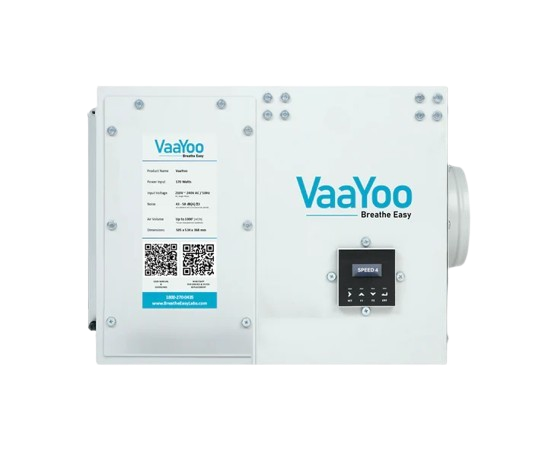

Indoor air pollution is becoming a major concern in homes, offices, and apartments due to dust, smoke, chemicals, poor ventilation, and rising outdoor pollution. Many people spend most of their time indoors without realizing that indoor air may contain harmful airborne particles. Poor indoor air quality can affect comfort, breathing, and overall well-being. Because of this, many families are now searching for information about indoor air pollution symptoms and ways to improve indoor air quality.
Indoor air pollution can come from dust accumulation, smoke, pet dander, mold spores, cleaning chemicals, and fine airborne particles. Understanding the common symptoms of poor indoor air quality may help people maintain a cleaner and healthier indoor environment.
Common Causes of Indoor Air Pollution
Indoor air pollution may develop from several everyday sources inside homes and offices.
Common indoor pollutants include:
• Dust particles
• Smoke and fumes
• Mold spores
• Pet hair and pet dander
• Pollen allergens
• Cooking smoke
• Chemical odors
• Poor ventilation
These airborne pollutants may continue circulating indoors and affect breathing comfort.
Common Indoor Air Pollution Symptoms
Poor indoor air quality may cause several noticeable symptoms, especially in sensitive individuals.
Frequent Sneezing and Allergies
Dust, pollen, and airborne allergens may trigger sneezing, itchy eyes, and allergy discomfort.
Coughing and Throat Irritation
Smoke particles and indoor pollutants may cause dry throat, coughing, and irritation.
Breathing Discomfort
Poor indoor air quality may affect breathing comfort and create a feeling of heaviness in the air.
Headaches and Fatigue
Stuffy indoor environments and poor ventilation may sometimes lead to headaches and tiredness.
Eye and Skin Irritation
Smoke, dust, and chemical particles may irritate the eyes and skin.
Unpleasant Indoor Odors
Persistent indoor smells and stale air may indicate poor air circulation and indoor pollution.
How to Improve Indoor Air Quality
Maintaining cleaner indoor air may help reduce indoor pollution symptoms and improve comfort.
Use a HEPA Air Purifier
A HEPA air purifier can help reduce dust, smoke particles, pollen, and airborne contaminants.
Maintain Proper Ventilation
Fresh airflow and proper ventilation may help improve indoor air circulation.
Clean Indoor Spaces Regularly
Dusting, vacuuming, and cleaning curtains and bedsheets can help reduce airborne particles.
Avoid Indoor Smoking
Smoke is one of the major causes of indoor air pollution.
Control Indoor Humidity
Reducing excess moisture may help prevent mold growth indoors.
Best Features to Look for in an Air Purifier
When choosing an air purifier for indoor pollution, consider these important features:
• True HEPA Filter
• Activated Carbon Filter
• High CADR Rating
• Quiet Operation
• Energy Efficient Design
• Multi-Stage Filtration
• Large Room Coverage
Final Thoughts
Indoor air pollution can affect daily comfort and breathing quality if not managed properly. Symptoms such as sneezing, coughing, throat irritation, headaches, and breathing discomfort may sometimes be linked to poor indoor air quality. Using a HEPA air purifier, improving ventilation, and maintaining indoor cleanliness may help create a cleaner and healthier indoor environment for families and workplaces.