
Indoor air quality has become an important concern for families, especially in cities where pollution levels continue to rise. While many people focus on outdoor pollution, the air inside homes, offices, and other indoor spaces can also contain dust, allergens, smoke, bacteria, and harmful airborne particles. Since most people spend a significant portion of their day indoors, maintaining clean indoor air is essential for overall health and well-being.
If you're wondering how to improve indoor air quality naturally, this guide will help you understand practical steps you can take to create a cleaner and healthier living environment.
Why Indoor Air Quality Matters
Unhealthy indoor air can impact the comfort and well-being of individuals across all age groups. Exposure to indoor pollutants may contribute to:
* Frequent sneezing and coughing
* Allergies and asthma symptoms
* Eye, nose, and throat irritation
* Fatigue and headaches
* Poor sleep quality
* Respiratory discomfort
Children, senior citizens, and individuals with respiratory conditions are often more sensitive to poor indoor air quality.
Common Sources of Indoor Air Pollution
To create a healthier indoor environment, it is helpful to understand where airborne contaminants commonly originate within your living space:
Dust and Dust Mites
Dust accumulates on furniture, carpets, curtains, and bedding, carrying allergens that can affect breathing comfort.
Cooking Smoke and Fumes
Cooking activities can release grease particles, smoke, and odors into the air.
Pet Dander
Pet hair and skin flakes can trigger allergies in sensitive individuals.
Mold and Mildew
Excess moisture encourages mold growth, which can negatively impact indoor air quality.
Household Chemicals
Cleaning products, paints, and synthetic fragrances may release volatile organic compounds (VOCs) into the air.
Natural Ways to Improve Indoor Air Quality
1. Increase Ventilation
Fresh air circulation is one of the simplest ways to improve indoor air quality naturally.
Tips:
• Allow fresh outdoor air to enter your home whenever environmental conditions are favorable.
• Encourage natural airflow by allowing air to move freely through different areas of the home.
Good ventilation helps remove stale indoor air and reduces the concentration of pollutants.
2. Keep Your Home Clean
Regular cleaning can significantly reduce indoor contaminants.
Cleaning Checklist:
* Vacuum carpets and rugs frequently.
* Dust furniture using a damp cloth.
* Wash bedding weekly.
* Clean curtains and upholstery periodically.
* Remove clutter that collects dust.
A cleaner home means fewer airborne particles circulating indoors.
3. Add Indoor Plants
Indoor plants can help create a fresher indoor environment while enhancing the beauty of your home.
Popular options include:
* Snake Plant
* Spider Plant
* Peace Lily
* Areca Palm
* Aloe Vera
These plants can contribute to a healthier indoor atmosphere and add natural greenery to living spaces.
4. Control Humidity Levels
Maintaining proper humidity helps prevent mold and mildew growth.
Ways to Reduce Excess Moisture:
* Repair leaking pipes promptly.
* Use exhaust fans while cooking and bathing.
* Avoid drying large amounts of laundry indoors.
Balanced humidity levels support better indoor air quality.
5. Remove Shoes Indoors
Shoes often carry dirt, pollen, pesticides, and pollutants from outside.
Creating a shoe-free home can help minimize the amount of outdoor contaminants brought indoors.
6. Use Natural Cleaning Solutions
Many commercial cleaners contain chemicals that may affect indoor air quality.
Natural alternatives include:
* White vinegar
* Baking soda
* Lemon-based cleaners
* Mild soap solutions
These options can help maintain cleanliness while reducing exposure to harsh chemicals.
7. Avoid Indoor Smoking
Smoking indoors introduces harmful particles and toxins into the air.
For cleaner indoor air:
* Smoke only in designated outdoor areas.
* Keep indoor spaces smoke-free.
* Minimize exposure to tobacco smoke, particularly for young children and older adults.
8. Maintain Air Conditioning Filters
Unclean filtration systems may spread airborne particles and allergens throughout indoor spaces.
Best Practices:
* Clean reusable filters regularly.
* Replace disposable filters according to manufacturer recommendations.
* Check air vents for dust accumulation.
Proper maintenance helps improve airflow and indoor cleanliness.
How Vaayoo by Matrikajiva Supports a Healthier Indoor Environment
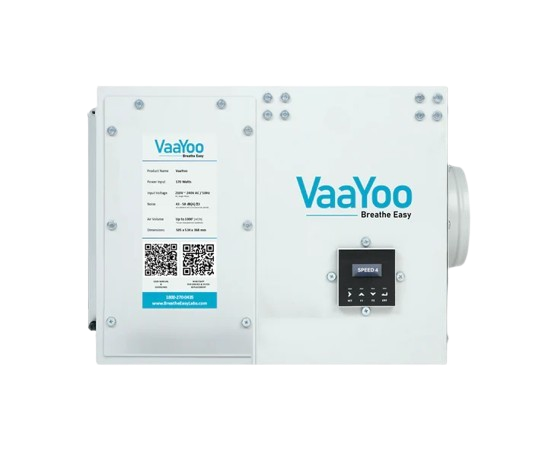
While natural methods are highly effective, modern lifestyles and increasing pollution levels often require additional support. This is where Vaayoo by Matrikajiva can make a meaningful difference.
Vaayoo is designed to help improve indoor air quality by addressing airborne pollutants commonly found inside homes and workplaces. Whether dealing with dust, allergens, smoke particles, or everyday indoor contaminants, Vaayoo works alongside healthy habits such as proper ventilation and regular cleaning to create a cleaner indoor environment.
Common Indicators of Poor Indoor Air Conditions
Consider taking action to enhance your indoor environment if you experience any of the following:
* Persistent dust buildup
* Musty or unpleasant odors
* Frequent allergy symptoms indoors
* Excess humidity or condensation
* Visible mold growth
* Increased coughing or sneezing
Addressing these signs early can help maintain a healthier living environment.
Benefits of Better Indoor Air Quality
Improving indoor air quality can offer numerous benefits, including:
* Reduced exposure to allergens
* Improved breathing comfort
* Better sleep quality
* Fresher indoor spaces
* Enhanced overall well-being
* Greater comfort for children and seniors
Final Thoughts
Learning how to improve indoor air quality naturally is one of the best investments you can make for your family's health. Simple steps such as increasing ventilation, controlling humidity, cleaning regularly, adding indoor plants, and reducing indoor pollutants can make a noticeable difference.
For those seeking an additional layer of protection against airborne contaminants, Vaayoo by Matrikajiva can complement these natural methods and help create a cleaner, fresher, and healthier indoor environment. By combining healthy habits with effective air quality solutions, you can enjoy better indoor air and a more comfortable home every day.