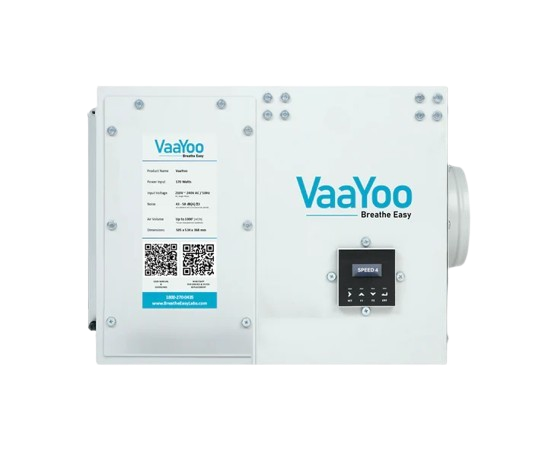

Air pollution is becoming a serious concern in Bhopal due to increasing traffic, construction work, industrial emissions, and rising urban development. Several areas in the city regularly experience higher AQI levels and dust pollution, especially during winter and heavy traffic hours. Because of this, many residents are now searching for the most polluted areas in Bhopal and ways to improve indoor air quality.
According to air quality monitoring reports and AQI data, particulate pollution such as PM2.5 and PM10 remains one of the major concerns in the city.
What Causes High Pollution in Bhopal?
The major reasons behind rising pollution levels include:
• Vehicle emissions
• Construction dust
• Industrial activities
• Waste burning
• Traffic congestion
• Seasonal weather conditions
• Poor road dust management
Government and environmental monitoring reports also identify dust pollution and vehicular emissions as key contributors.
Top Pollution-Prone Areas in Bhopal
TT Nagar & New Market Area
TT Nagar is one of the busiest commercial zones in the city. Heavy traffic, market activity, and construction contribute to poor air quality levels in this region.
Reports have shown that TT Nagar often records higher pollution levels compared to several other areas of the city.
Sector D Industrial Area
Sector D Industrial Area is another area that frequently experiences higher AQI levels because of industrial activities and dust pollution.
Recent AQI monitoring data has shown unhealthy PM2.5 and PM10 levels in this zone.
Arera Colony
Arera Colony is a densely populated residential and commercial area where increasing traffic and urban activities contribute to rising pollution levels.
AQI tracking reports have shown periods of unhealthy air quality in this location.
Bagsewaniya
Bagsewaniya has also experienced higher AQI readings due to rapid development, traffic growth, and construction-related dust pollution.
Rusalli Area
Rusalli is another location where AQI reports have shown elevated pollution levels during certain periods of the year.
Govindpura Industrial Area
Govindpura is known for industrial operations and manufacturing activity. Environmental monitoring reports identify industrial pollution and dust emissions as important concerns in this zone.
Health Effects of Pollution in Bhopal
High pollution exposure may affect:
• Breathing comfort
• Allergy sensitivity
• Eye irritation
• Throat discomfort
• Indoor air quality
• Dust accumulation indoors
Sensitive groups such as children and senior citizens may be more affected during high AQI days.
How to Protect Yourself From Pollution
You can reduce pollution exposure by:
• Checking daily AQI levels
• Using HEPA air purifiers
• Keeping indoor spaces clean
• Closing windows during heavy pollution
• Wearing masks in dusty areas
• Improving indoor ventilation
• Avoiding peak traffic hours
Why Indoor Air Quality Matters
Even when staying indoors, outdoor pollutants can enter homes and offices through windows, doors, and ventilation systems. Many families in Bhopal now use HEPA air purifiers to help reduce:
• Dust particles
• Smoke pollution
• Pollen allergens
•Airborne pollutants
• Fine particulate matter
Final Thoughts
Several areas in Bhopal experience higher pollution levels due to traffic congestion, industrial activity, and urban construction. Monitoring AQI levels and maintaining cleaner indoor air can help reduce exposure to harmful pollutants. Using preventive measures such as air purifiers, indoor cleaning, and pollution awareness may help create a healthier indoor environment.